
10 Goalkeeper Rules That Make No Sense (Until You Know Them)
Eight seconds, the back pass you can pick up, the crossbar tap, no offside from a goal kick, and the shirt that can get you benched.
When did you last read the goalkeeper rule book? Never? Good. You are like the rest of us.
The problem is that most goalkeepers break at least one rule every game without realising, and the ones that catch you out are not the obvious ones. They are the weird ones.
Here are ten, some brand new and some ancient, that can cost you a goal, a booking or a match.
The goalkeeper rules that catch keepers out: you now have eight seconds with the ball in your hands or it is a corner; you can handle a back pass you have tried to kick clear; a team-mate cannot head a back pass to you on purpose; you cannot touch the goal frame before a penalty; and a ball you throw straight into the other net is not a goal.
1. How long can you hold the ball now?
You know the six-second rule. Nobody ever counted, so most of us held it for ten, twelve, sometimes twenty seconds when we were winning.
That is over. Since the 2025/26 season, a goalkeeper who controls the ball with the hands inside the penalty area for more than eight seconds gives away a corner kick. Not an indirect free kick, which almost never produced a goal. A corner.
The referee counts down the last five seconds with a raised hand. So picture it: 1-0 up, 89th minute, you catch a cross and the count starts. Panic and rush the throw, or hold it and defend a corner in injury time.
Start practising quick distribution now. When that countdown starts, there is no mercy. The time-wasting that is still legal, the rolling ball and the rest, is in the goalkeeper tricks guide.
2. Can you ever pick up a back pass?
Your defender passes it back. You try to clear it and you shank it: straight up in the air, spinning, no distance, striker closing in. You want to grab it and you know you cannot.
Except you can. The law says you cannot handle a ball deliberately kicked to you by a team-mate, "unless the goalkeeper has clearly kicked or attempted to kick the ball to release it into play." Your scuffed clearance was an attempt to release it. Pick it up, punch it, dive on it. Inside your area, it is legal.
3. What if your defender heads it back instead?
Some defenders think they have found a loophole. Instead of passing it back, they flick it up and head it to you, or worse, lie down and head it off the ground. It did not come off the foot, so it is fine, right?
No. There is a specific law against a deliberate trick to get the ball to the goalkeeper with the head, chest or knee to get round the back-pass rule. It is an indirect free kick and a caution for the player, whether or not you touch the ball with your hands.
I have lived this one. My centre back was under pressure, flicked it up and headed it to me. I knew it was not allowed, so I just kicked it clear. It did not matter. He was booked and they had a free kick on the edge of our box.
So the next time your defender tries to be clever, stop him. Tell him to pass it back properly or kick it forward himself. That is a communication job, and it is yours.
4. Can you touch the crossbar before a penalty?
Penalty given. You are doing your thing on the line, arms waving, bouncing side to side, and without thinking you tap the crossbar for luck.

That is a mistake. The goalkeeper must not do anything to unfairly distract the taker, and touching the goalposts, crossbar or net is on the list. No leaning on the post, no hanging in the net, no crossbar slap. A pointless tap can turn a save into a retake.
I am starting to think they do not want us saving these.
5. Can you move off your line for a penalty?
Side to side, yes. Arms, yes. Mind games, yes. Forward, no.

At the moment the ball is kicked, you must have at least part of one foot on or in line with the goal line. Step forward early and save it, and it is retaken. Keep doing it and the cards come out.
Strikers can skip, hop, pause and wait for you to move. You stand on your line like a mannequin. There is a way to save penalties inside those rules, and it comes down to reading the run-up, not cheating the line.
6. Is there offside from a goal kick?
No. You have probably seen a striker ten yards offside from a goal kick and the flag stays down. That is the law: no offside directly from a goal kick, no matter how loud your defenders complain.

Which is why Ederson, Neuer and Pickford ping the ball seventy metres over the top. If you have the power in your foot, and the wind behind you, and you catch their defence stepping up, let it fly. The goal kick guide covers how to hit it that far.
7. Can you score by throwing the ball?
You make a great save, spot their keeper off his line, run to the edge of your box and launch a rocket of a throw straight into their goal. Crowd goes wild.
The referee points for a goal kick. A goalkeeper throwing the ball directly into the opponents' goal is not a goal.
Now flip it. You claim a cross, go to throw it to your full back, and it slips out of your hand and rolls into your own net. That one counts. The same is true of throw-ins, by the way: a throw-in straight into the opponents' goal is a goal kick, and straight into your own goal is a corner. If you want to score from a throw, somebody needs a touch. If you want to gift one, apparently not.
8. Do you have to go off when you are injured?
An outfield player who gets treatment has to leave the pitch. The goalkeeper does not.
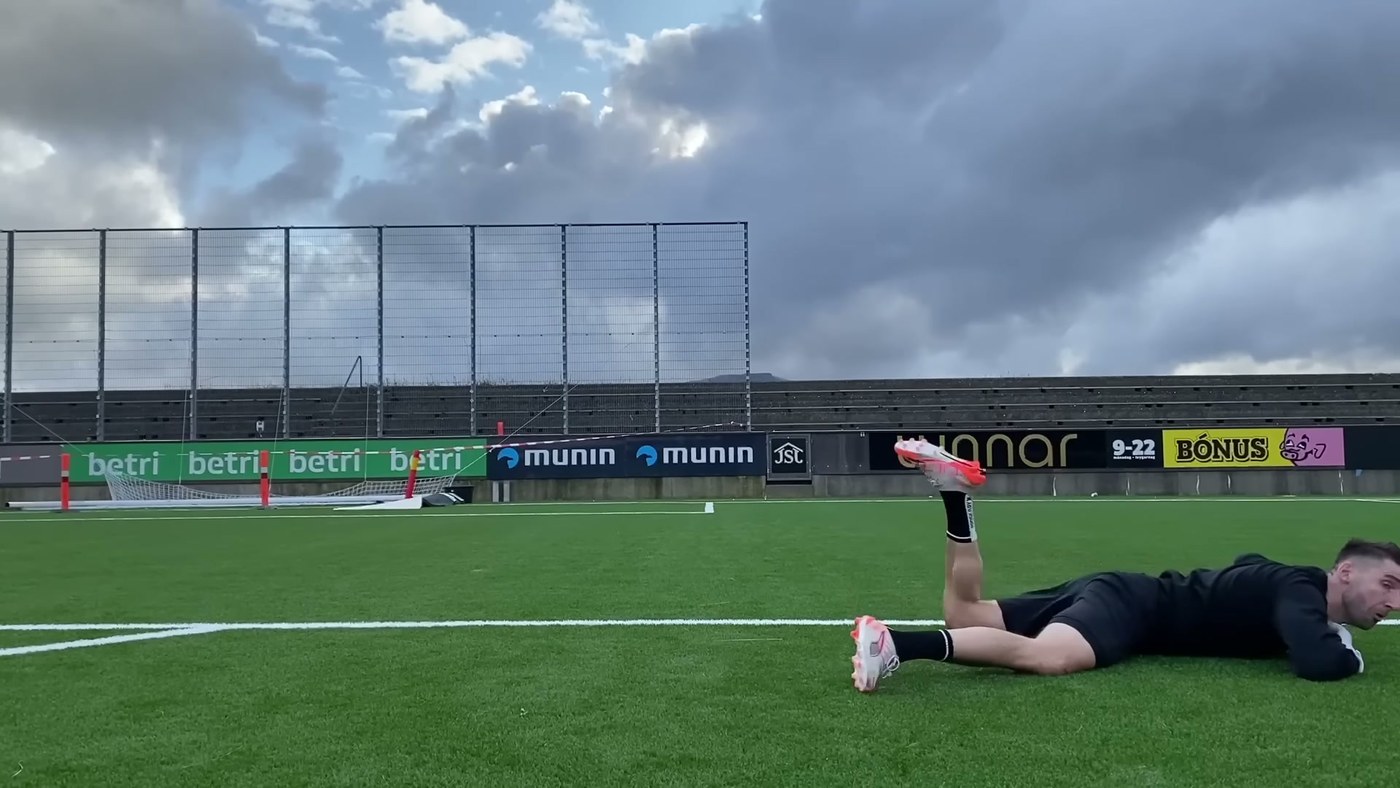
It feels like special treatment and maybe it is, but it makes sense. A team can survive a minute with ten men when the winger is hurt. If the goalkeeper had to leave, it would be chaos. So when a goalkeeper goes down, the referee stops the game and you stay on.
Most referees will try to hurry you up because they want the game moving. But you can take the time you need. And yes, in the 85th minute when your full back is cramping, keepers have been known to use this. It is one of the legal tricks in the game, and it is also the one you should be most honest with yourself about. Take the recovery you actually need, not the one you are performing.
9. Who is allowed to talk to the referee?
In more and more competitions now, only the captain is allowed to approach the referee. Anyone else who joins in gets a yellow card, no warning.
Here is the strange part. If the goalkeeper is the captain, you cannot sprint sixty metres to the halfway line every time there is an argument, so you have to appoint an on-pitch captain to do the talking. You might be the real captain, and the referee still will not speak to you.
So if you have the armband, pick someone you trust to wear it on the pitch. And everyone else: stay away from the referee. "Come on, ref" can get you booked.
10. Can your shirt get you benched?
Yes, seriously. There are official rules about what colours a goalkeeper can wear, and if yours clashes with the other keeper, the referee or the outfield players, you are not playing until it is sorted.
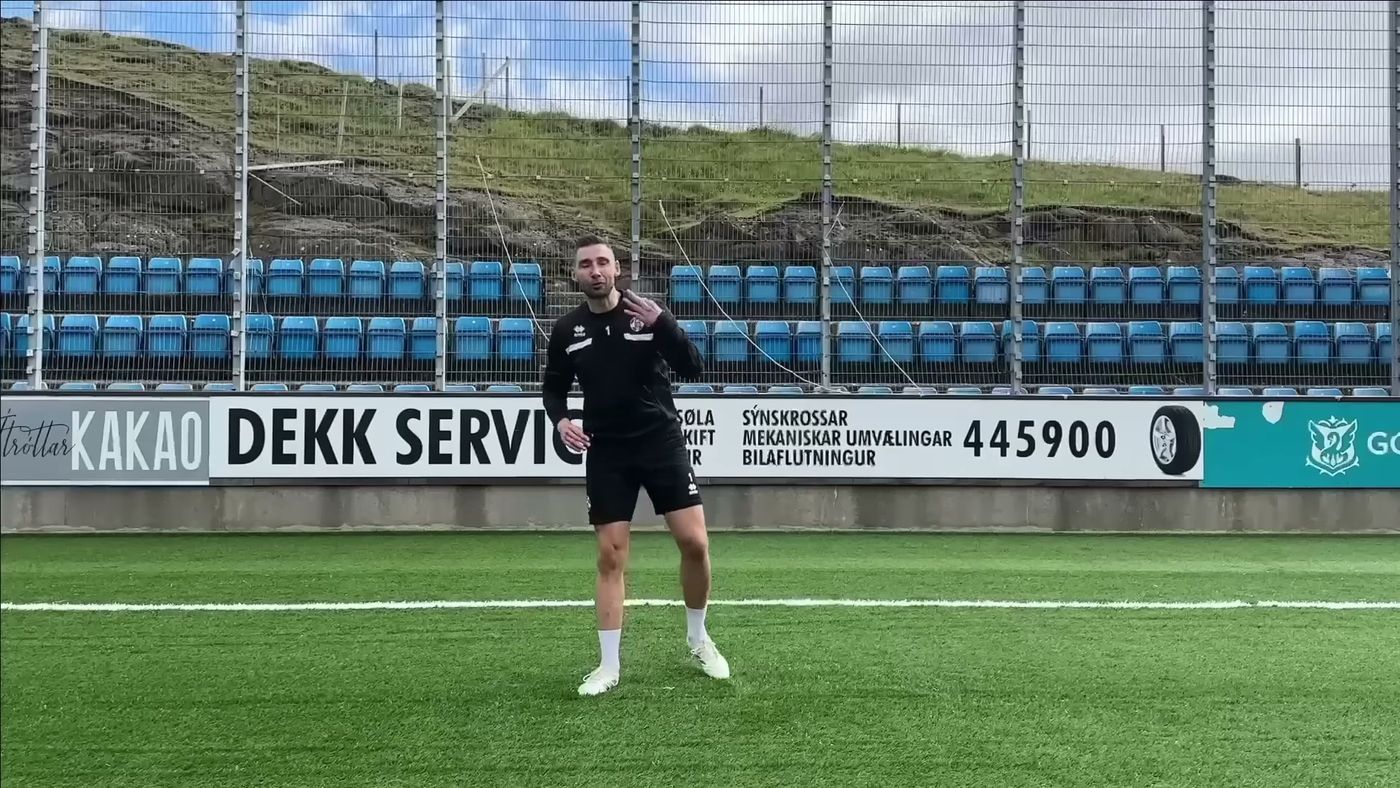
It does not matter that you are warmed up, ready, and wearing your lucky gloves. If the game is about to start and your kit clashes, you are sent back to the dressing room to change. No backup shirt, and you might be watching from the bench.
Pack a spare. You did not train all week to be left out for a fashion clash. Here is part two of the strange rules, where this one comes from:
What to do this week
Two things.
- Time your own release. In your next session, have someone count from the moment you catch the ball. Eight seconds is less than it sounds.
- Tell your defenders about rule three before a referee does.
You cannot use a rule you do not know, and you cannot avoid one either.
Know the rules. Now what do you train?
Knowing the rules keeps you out of trouble. Knowing what to train keeps you in the team.
The Ultimate Self-Training Course is the second half of that: 120+ drills in a weekly plan, including the quick distribution work the eight-second rule now demands. $27 a month.
Have a look at the program 30-day money-back guarantee if it is not helping.
I have played more than 500 competitive games, represented my national team, and played in Champions League and Europa League qualifiers. I have coached more than 1,000 goalkeepers. Rule three happened to me, and my centre back has never forgiven the referee.
Enjoyed this article?
Find more great content here: