
How to Become a Professional Goalkeeper: 5 Signs and 3 Steps
Obsession, discipline, mistakes, the people around you, and belief. Then a plan that stops you training blind.
Think becoming a professional goalkeeper is all about talent? It is not.
I was never a professional goalkeeper, even though I had a few chances. Looking back, I know exactly why, and it had nothing to do with skill or talent. There was one thing I completely overlooked, and it is probably not what you expect.
Here are the five signs that show whether you have what it takes, and the three steps that turn the signs into a plan.
To become a professional goalkeeper you need five things that talent cannot replace: obsession, discipline, the ability to learn from mistakes, the right people around you, and belief in yourself. Then a plan: believe it is possible, break the dream into trackable weekly steps, and train, eat, sleep and recover like a pro before anyone pays you to.
Sign 1: Are you obsessed with it?
Let me tell you about a goalkeeper I trained with when I was younger. He was not the fastest. He was not the most athletic. Honestly, he did not seem to have more talent than the rest of us. But at the end of every session, when we were heading home, he was still out there. Extra shots, more drills, always trying to improve. It paid off. He went on to play for big clubs, made his Premier League debut against Arsenal, played for Blackburn when they were in the top flight, and earned 70 caps for his country against the likes of Spain, Italy, Germany and Portugal. Yes, he played against Ronaldo.
He was not born with more talent than us. He outworked everyone, including me, day in and day out.
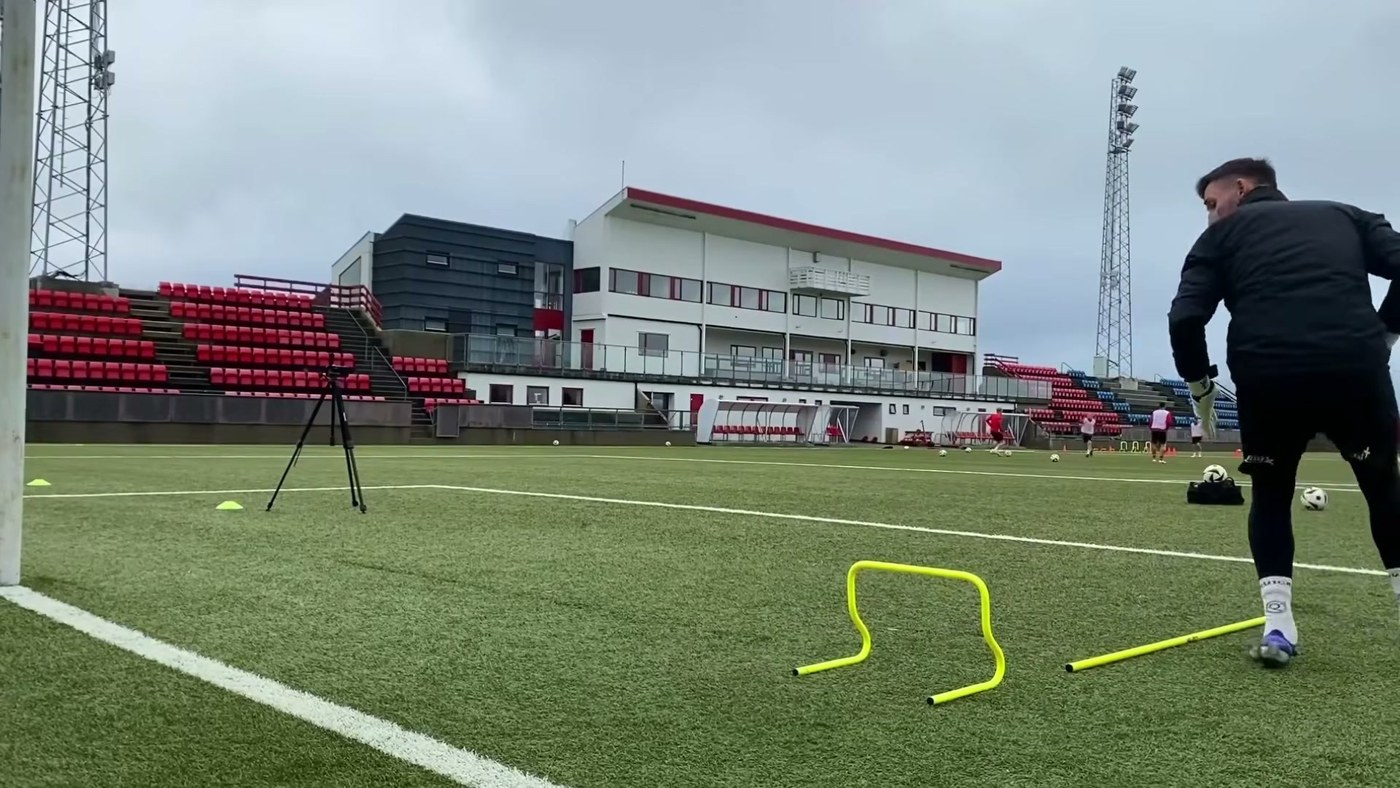
You know someone like this. First to arrive, last to leave. They do not just play football, they live it. It is almost like an obsession, in a good way. When you are truly obsessed with something it does not feel like work. It is just who you are.
That is what it takes: the obsession to keep pushing when nobody is watching.
Sign 2: Do you show up on the bad days?
Obsession alone is not enough. Anyone can train when they feel good and motivated. That is the easy part.
The best goalkeepers show up on the tough days too. Tired, distracted, not feeling it at all. That is discipline, and it is what separates them.
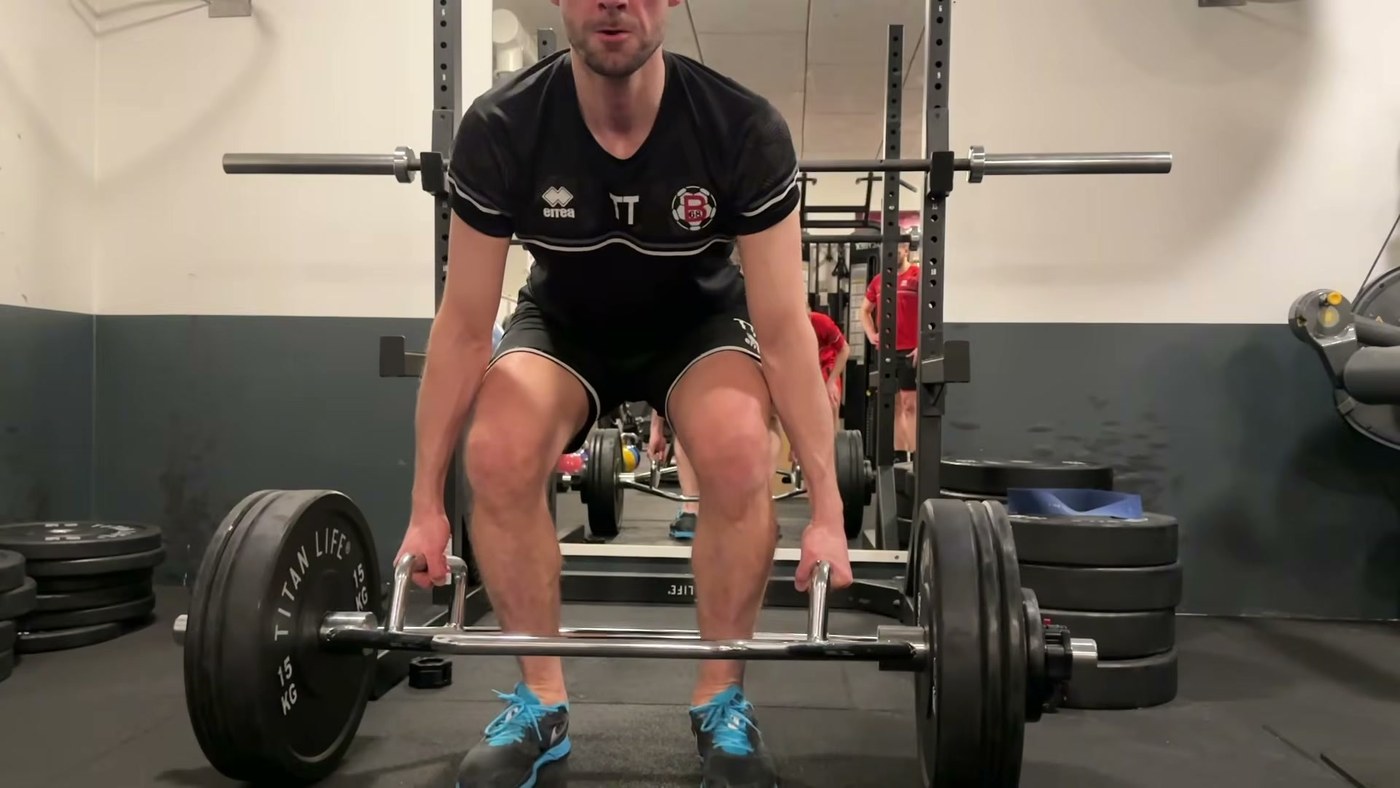
The good news is that discipline can be built, and it starts with writing your goals down.
Think about where you want to be in a year, two years, five. A first contract, your dream club, or the number one shirt at your local team. Whatever it is, it has to push you.
Then break it into smaller steps. Footwork, explosiveness, high dives, whatever the gaps are. Write them down and build a training schedule around them. Maybe that is a workout before school, twenty extra goal kicks after practice, or three solo sessions a week.
With a plan like that you are no longer hoping to improve. You are planning for it. When motivation fades, the schedule keeps you on track. The training plan guide is the shape I use.
Sign 3: What do you do after a mistake?
A couple of seasons ago we had a massive game against one of our biggest rivals. I was feeling confident, made a couple of routine saves, a few tougher ones. Everything was going well.
Then I fumbled the ball straight into my own net. In twenty years of goalkeeping, that is without doubt my biggest mistake. We lost by one goal.
I had two choices. Let it crush my confidence for the rest of the season, or shake it off, learn from it and come back stronger. I chose the second, and it led to one of my best seasons.
No matter how good you are, you will make mistakes. Every goalkeeper does, including the ones you watch on TV. What separates the best is how they respond. They do not just brush it off. They analyse it, learn from it, and let it go. Learning to let it go is a skill, and it can be trained.
Success is built on failure. The more you fail, the more you learn.
Sign 4: Who is in your corner?
One of the most important coaches I ever had was tough on me. Really tough. There were days I did not want to show up because I knew he would push me to my limit.
Looking back, it was exactly what I needed. He did not see the goalkeeper I was. He saw the goalkeeper I could become, and he was not going to let me settle for less.
Nobody gets to the top alone. Not me, not you, not the pros. You could be the best goalkeeper in the world, but if nobody sees it, whether coaches, mentors, team-mates or family, how do you reach the next step?
Call it networking if you like. It sounds like business talk, but it matters just as much in football. Your goalkeeper coach might know someone at a bigger club. A family friend might have connections.
One condition: you have to be the kind of player people want to help. Humble, coachable, visibly eager to learn. Take a look at your network. Are there people in it ready to push you all the way? If not, find someone who will.
Sign 5: Do you believe it yourself?
Here is the one that stopped me.
That coach believed in me even when I did not. He pushed me harder than anyone, and honestly, he thought I had what it takes to go all the way. I had the talent, the work ethic, and a coach who had my back.
The thing missing was believing in myself.

At 15 I thought going pro was about having some special talent you either had or did not. I watched the other keepers I trained with and thought they had something I never would. And because I believed that, I played like it was true. No confidence, always doubting myself, every mistake feeling like proof.
You can have the best plan, work harder than everyone, and have all the right people behind you. If you do not believe in your own ability, none of it matters.
Think of it like planting a seed. Tell yourself the ground is bad and you never plant anything. Tell yourself "I'm not good enough" and you are planting weeds that choke everything else. Nobody can rewrite the story in your head except you.
Step 1: How do you turn belief into a plan?
Belief alone will not get you there either. This is where most goalkeepers slip: big dreams, no plan. "This year I'm going to be the best keeper in my team" is a wish.
A coach once pulled me aside and said: "Kid, you're training hard, but you're training blind." He was right.

- Set goals you can track: "100 clean catches every session", not "better handling"
- Work backwards: dream on one side, you on the other, stepping stones between
- Break each stone into actions: 20 minutes a day on the weak side, 10 goal kicks after practice
- Track it: after every session, what you worked on, what went well, what still needs work
Not "more confident in 1v1s" but "ten minutes after every training on blocking from different angles." The first is a wish. The second is a plan. Tracking it keeps you honest and it stops you training blind.
Step 2: Are you still thinking like an amateur?
You know where you want to go and how to get there. And then nothing happens. Why? Because you are still thinking like an amateur, and if you think like one, you stay one.
How often do you turn up, do the drills your coach sets, take a few extra shots and head home thinking that is enough? It is not, if you are serious. The amateur signs are all small, and they all add up.
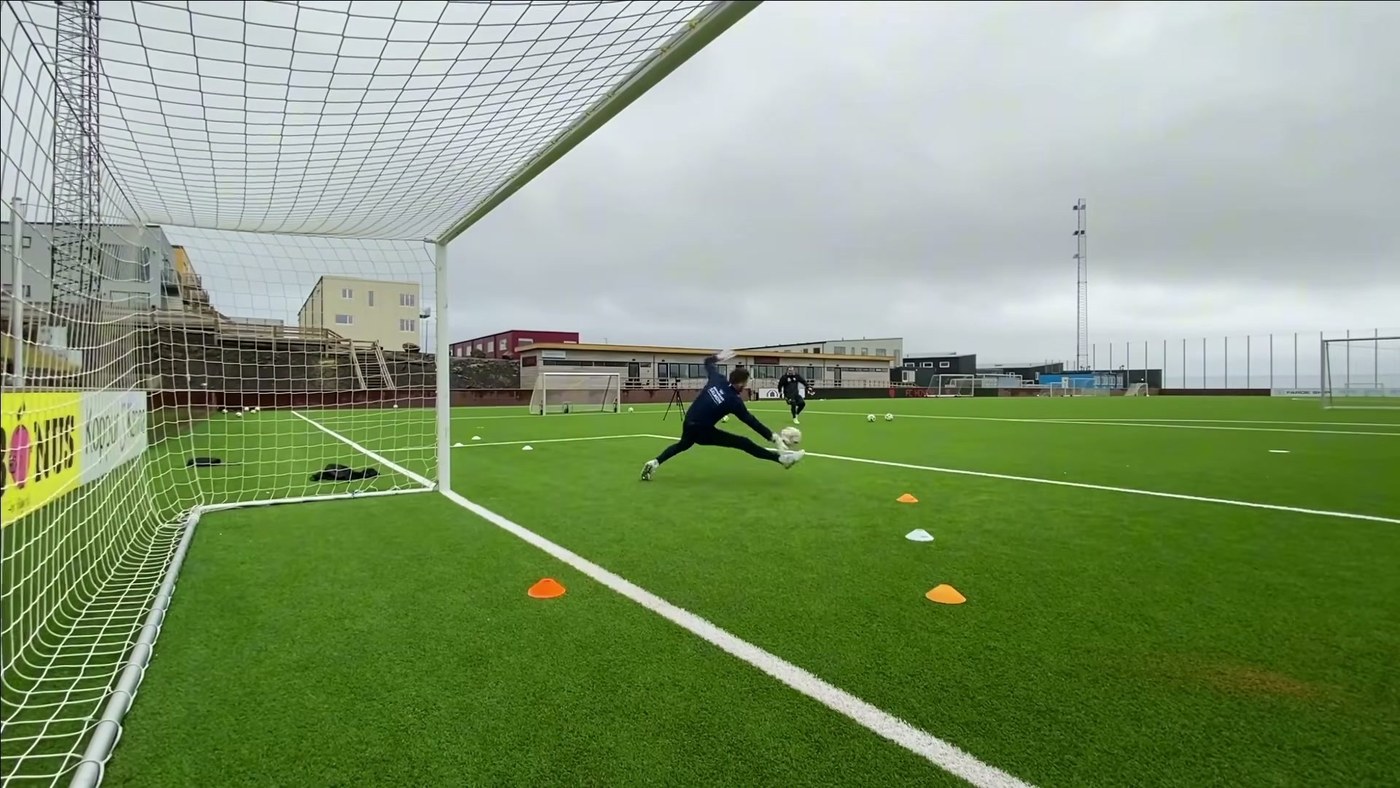
Extra reps. Extra sessions. Strength work, even ten minutes of core before bed, or stretching while you watch TV.
And the rest of it: the right food, at least eight hours of sleep, proper recovery after matches and training. You do not need to be a pro to think, train, eat and sleep like one. Do that long enough, back it up with your talent, and you give yourself a real chance.
The three steps in full:
What to do this week
Write it down.
- Where you want to be in two years, and the three things standing between you and it.
- One trackable target for each, and one extra session in the diary before Sunday.
- Then read the five signs again and be honest about number five.
Talent is a head start, not a guarantee. The rest is on the list above.
And if you are not sure the position is for you at all, that question comes before any of this. The goalkeepers who get dropped along the way usually fail one of these five tests, not a talent test.
Training hard, but training blind?
Training blind is the thing that stopped me, and it is the thing I see most in the goalkeepers who write to me. They work, they just do not know what they are working towards.
The Ultimate Self-Training Course is the plan: 120+ drills laid out week by week so every session has a reason. $27 a month.
Have a look at the program 30-day money-back guarantee if it is not helping.
I have played more than 500 competitive games, represented my national team, and played in Champions League and Europa League qualifiers. I have coached more than 1,000 goalkeepers. I had a few chances to go professional and I know exactly which of the five signs stopped me.
Enjoyed this article?
Find more great content here: