
The Goalkeeper Training Plan: How to Train Yourself
Random training gives random results. The four-day goalkeeper training week, what each session looks like, and what you can build entirely on your own.
I once watched a goalkeeper at my local park work for a solid hour. Diving, jumping, kicking, sweating. He looked like the hardest worker in the country.
He was not getting better. He was getting tired.
A shot against the wall, then a high ball, then a punt, then something else. Nothing connected to anything.
Random training gives you random results. That is the single biggest difference between goalkeepers who improve and goalkeepers who just turn up.
A goalkeeper training plan needs one focus per session, repeated weekly. Four sessions covers it: handling and footwork, diving, distribution, and crosses and high balls. Fifteen to thirty focused minutes each, written down and tracked, will beat hours of unstructured work.
Why does structure matter more than effort?
Because skills are built by repetition, and repetition needs you to come back to the same thing.
If you spend ten minutes on handling this week, ten on diving next week and ten on kicking the week after, you have done thirty minutes of training and built nothing. Each skill got touched once and then abandoned before anything stuck.
Do handling every Monday for six weeks and something different happens. Your hands stop needing you.
The goal is not to feel like you have worked hard. It is to be measurably better at one specific thing in six weeks. Those are different targets and they need different sessions.
The four-day week
This is the structure I give goalkeepers who train on their own. It covers everything without overlapping.
| Day | Focus | What it looks like |
|---|---|---|
| 1 | Handling and footwork | Wall work, catching technique, side shuffle and cross step |
| 2 | Diving | Push-out technique, low dives, weak side, getting back up |
| 3 | Distribution | Goal kicks, throwing, side volleys, passing under pressure |
| 4 | Crosses and high balls | Timing, the jump, punching, judging the flight |
Then repeat it. Same four, every week.
It is not sophisticated. That is the point. You should be able to remember it without looking, so no session ever begins with you standing there deciding what to do.
If you only have two days, do handling and diving. Those two carry most of your saves.
If you have five, add a fitness day: two short strength or mobility sessions a week, bodyweight and bands, legs, core and shoulders.
What every session should look like
- Warm up first, always
- One focus
- Start low, build up
- Stop before you fall apart
- Write down what you did
Warm up first, always. Not two volleys and a stretch. Light movement, then something to activate the muscles, then your hands, then diving. Cold goalkeepers get hurt, and cold hands make the ball hurt more, which teaches you to pull away from it. The full routine is here.
One focus. Do not do a bit of everything. Today is diving. Everything in the session serves diving.
Start low, build up. Kneeling before power step before full dive. Close before far. Controlled before explosive. Every technique in goalkeeping has a version you can do on your knees, and starting there is not beginner's work, it is how you build the pattern safely.
Stop before you fall apart. Fifteen good minutes beats forty tired ones. Technique collapses when you are exhausted, and practising a collapsing technique is worse than not practising. What you do in the hours after a session counts too, which is what goalkeeper recovery is about.
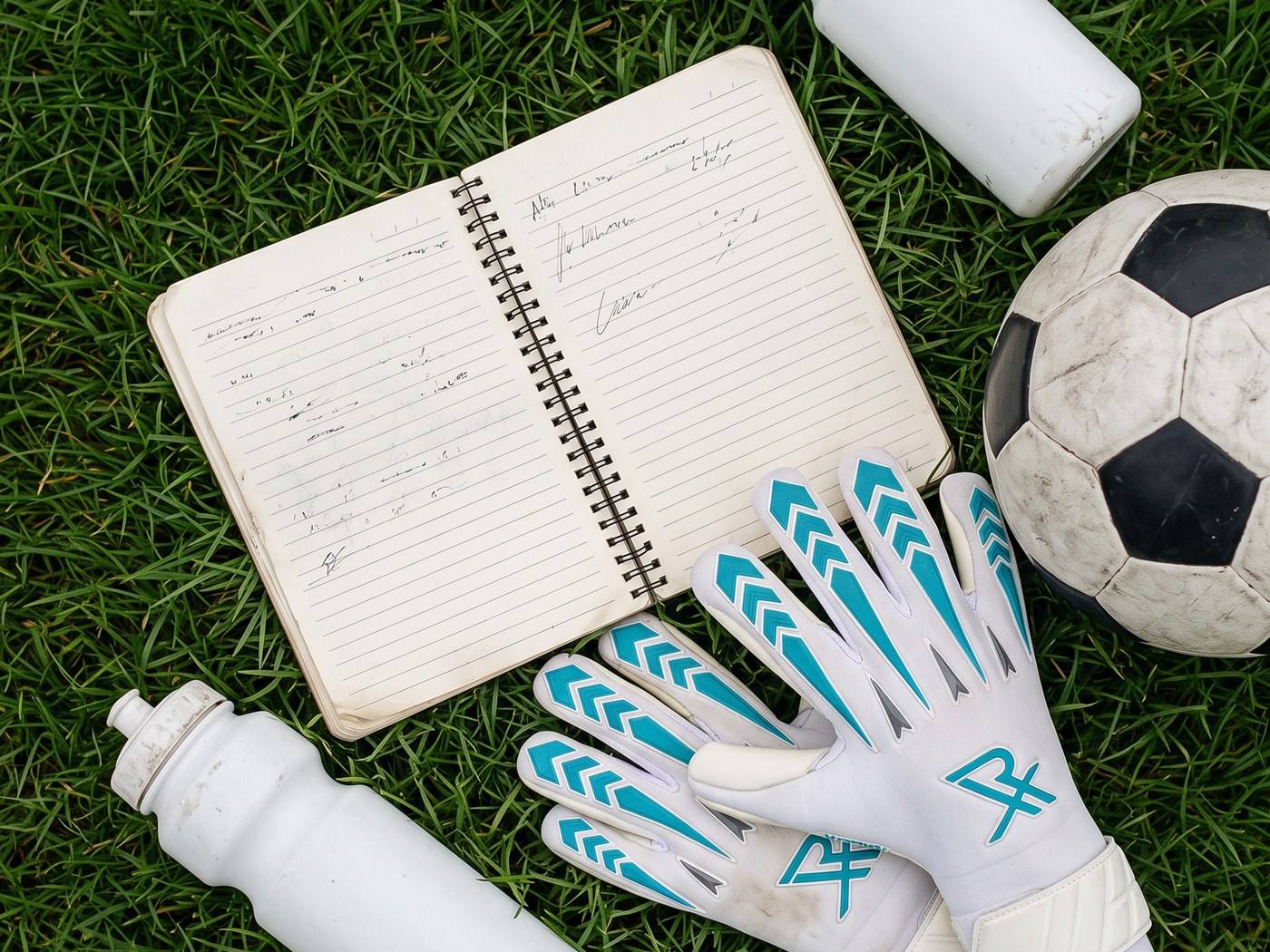
Write down what you did. Two lines in your phone. What you worked on, how it felt. It takes ten seconds and it is the only way you will ever know whether something is improving.
What can I actually do on my own?
More than most goalkeepers think. You need a wall, a ball, and a few cones. Bottles, shoes or rocks work as cones. Every drill below, and plenty more, is sorted by skill in the goalkeeper drills library.

Handling. Throw or kick against a wall and catch the rebound. Start on your knees to take your legs out of it, then stand, then move closer. Vary the pace so you are reacting rather than settling into a rhythm.
Diving. Kneel with a ball out to the side, place your hand on the ground and glide it out to the ball. Then from a power step. Then full dives. Both sides, more on the weak one.
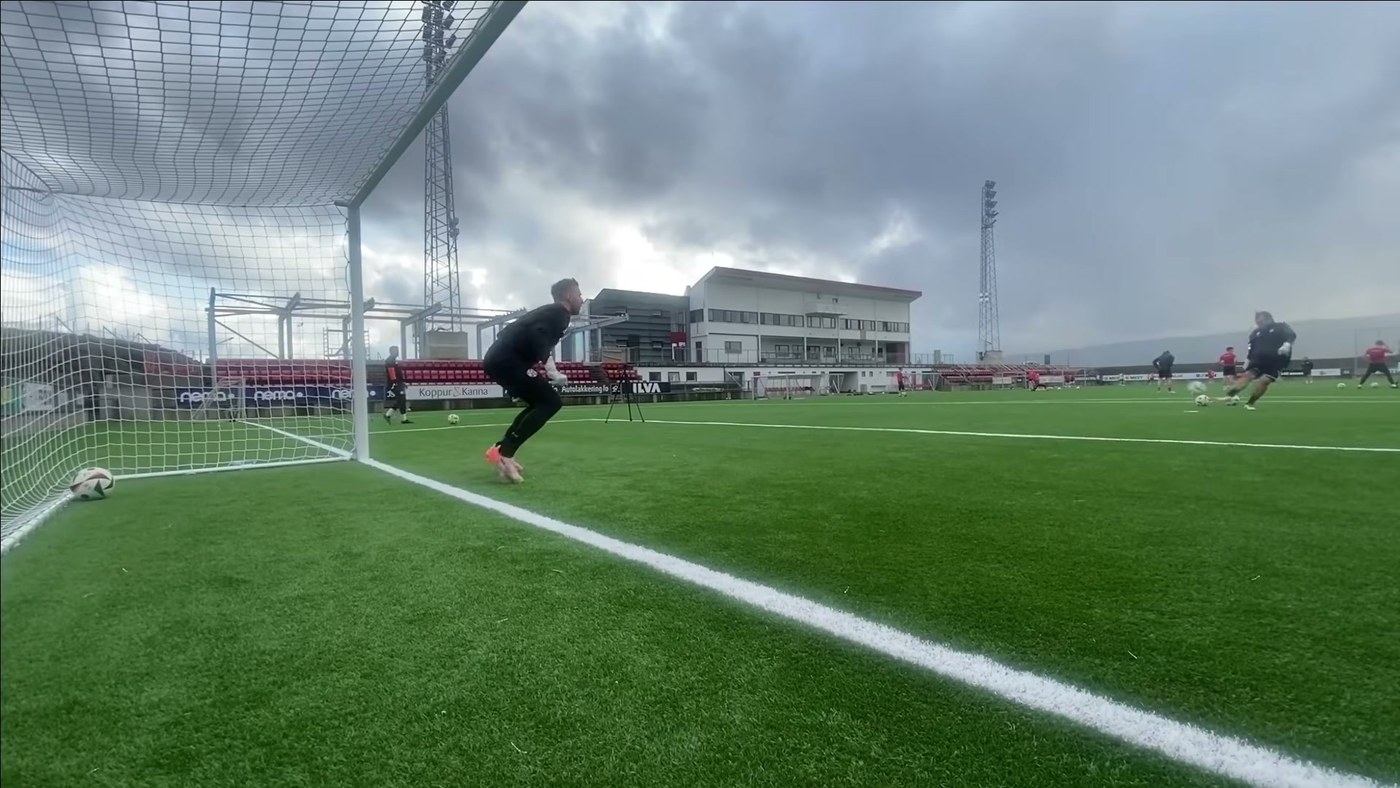
Footwork. Four cones across your goal. Side shuffle between them, leading leg first, short sharp steps, stopping in a full set position at each one.
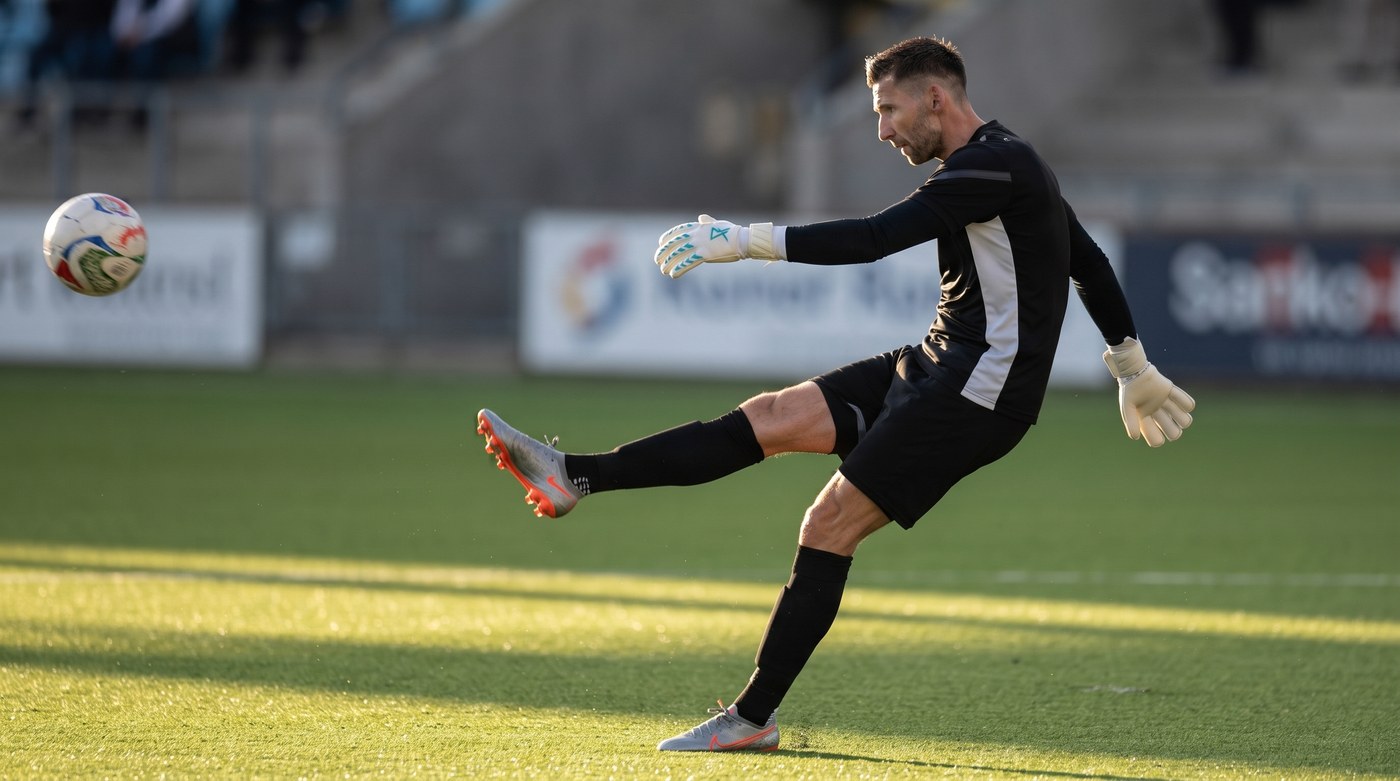
Distribution. A wall and a target. Goal kicks need space, but striking technique does not: you can work the contact anywhere.
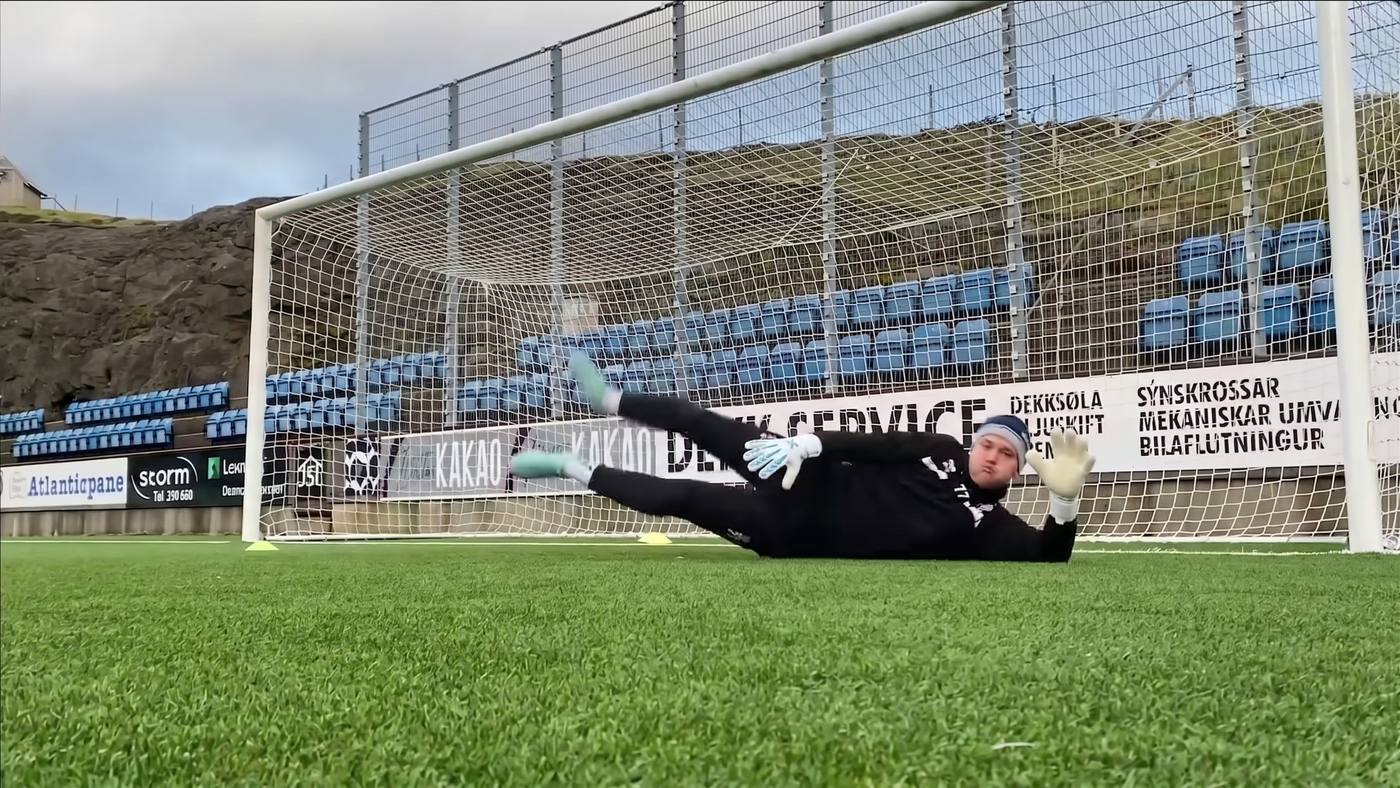
Getting up. Lie on your side, heel to backside, kick back onto one knee. Twenty each side.
Reactions. Sit with your legs apart, three metres from a wall, throw and save the rebound. The least impressive drill in goalkeeping and one of the most useful.
How long before it works?
Six weeks for a specific skill to feel different, training it once or twice a week.
A season for the whole picture to shift.
That sounds slow. It is faster than the alternative, which is training randomly for three years and wondering why you are stuck.
The other thing that happens at about six weeks is subtler. You stop thinking about the technique while you do it. That is the actual goal. Not doing it right when you concentrate, but doing it right when you are not concentrating, because in a match you will not have the spare attention.
How do I know if it is working?
Three ways, none of which is how you felt during the session.
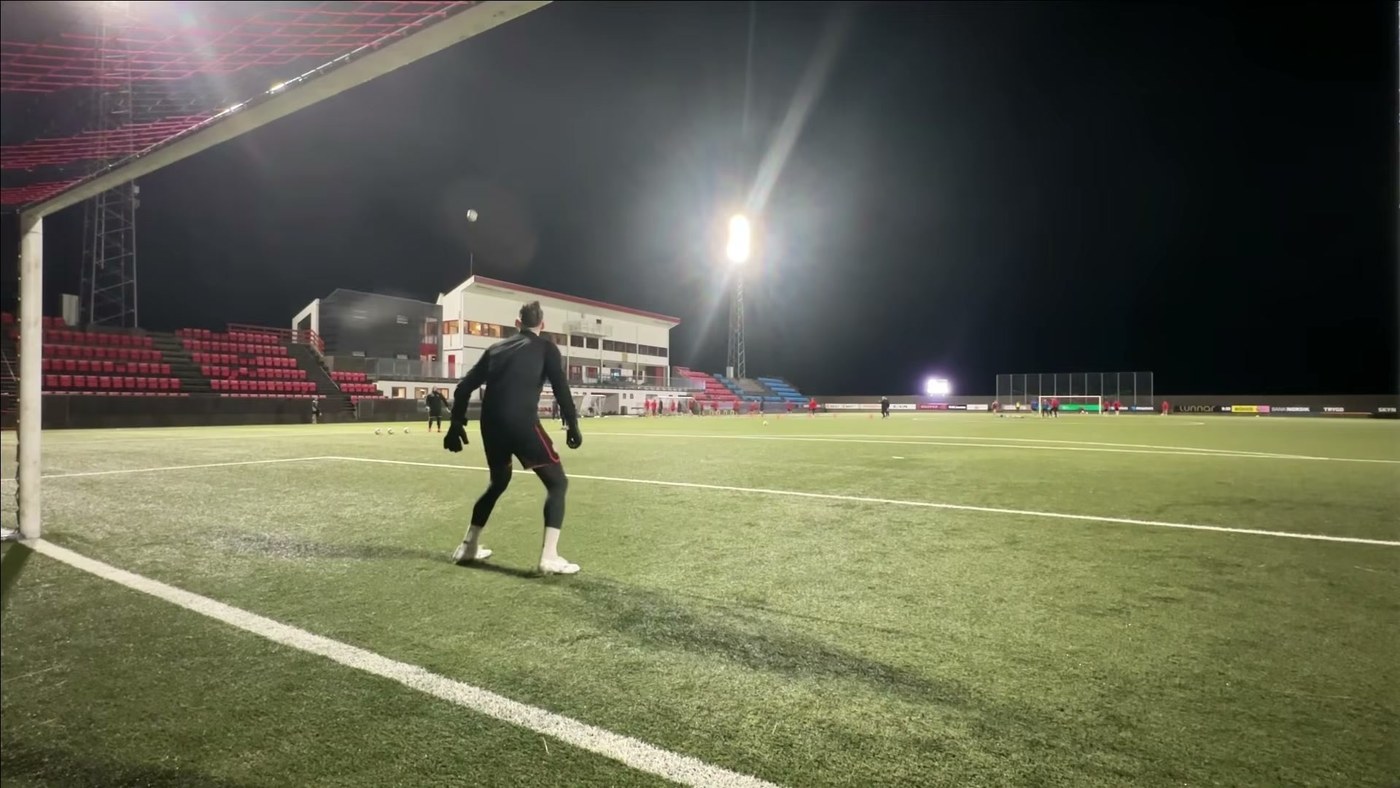
Film yourself. Ten minutes on a phone propped against a bag. You will find out very quickly whether you are doing what you think you are doing. This is the closest thing to a coach if you do not have one.
Track something countable. How many out of twenty you held cleanly. How far your goal kicks reach. Numbers do not flatter you.
Notice the game. Are you reaching balls you did not used to? Getting up quicker? Those are the results, and they show up weeks after the work.
What to do this week
Not sure which technique to put into each session? My free Goalkeeper Technique Playbook opens with a "What keeps going wrong?" list that sends you straight to the right page. 32 techniques, each with a drill you can do alone.
Write the four days down. Actually write them.
- Then do day one. Handling and footwork. Twenty minutes.
- Do not redesign it, do not look for better drills, and do not start on a Monday in three weeks' time.
The plan being simple is what makes it work, and the only version that helps you is the one you actually do.
Would you rather not build the plan yourself?
That is exactly what I made the Ultimate Self-Training Course for. 120+ step-by-step drills already organised into a weekly plan across handling, diving, footwork, distribution and crosses, so every session is decided before you get there.
It is built to be done at home with minimal space and equipment. $27 a month.
Have a look at the program 30-day money-back guarantee if it is not helping.
I have played more than 500 competitive games, represented my national team, and played in Champions League and Europa League qualifiers. I have coached more than 1,000 goalkeepers, and this four-day structure is the one I give every one of them who trains alone.
Enjoyed this article?
Find more great content here: