
The Goalkeeper Match Day Routine: From the Night Before to Half-Time
What I do from the night before a game to half-time: sleep, food, water, the kit bag and when to arrive. So the warm up is for sharpening, not for waking up.
Someone once left a comment on my match day video. They were watching it on the bus to their game, and they knew it was already too late.
They were right. Most of what decides how you feel at kick-off happens before you get on that bus.
A good goalkeeper match day routine starts days before kick-off, not in the warm up. Sleep well all week. Eat a proper energy meal the day before and something light a few hours before the game. Sip water all day. Pack your bag the night before, arrive early enough to warm up, and keep a banana for half-time.
When does match day actually start?
Earlier than you think.
For years I waited until the warm up to get my head into the game. I told myself that if I had a good warm up, everything would fall into place. It does not work like that.
If the warm up is where you start thinking about the match, you are already behind.
For me, match day starts a few days before. I think about my positioning, the players I will face and where they like to shoot. I picture myself making the saves and talking to my defenders.
There is more on how I do that in my post on using visualisation on match day.
I also check the weather. Wind or rain, I want to know, so it does not surprise me and so I pack the right things.
By the time I get to the ground, I am not using the warm up to get focused. I am already there. The warm up is just for sharpening my technique and building confidence.
This post is the practical side of the day. If it is the nerves that get you, the voice in your head and the tight chest, I have written a separate guide on goalkeeper nerves.
Does sleep the night before really matter?
When I was younger, I stayed up late playing FIFA or hanging out with my friends. I always thought, "I'll be fine for the game tomorrow."
I get it. The night before a big game is hard. You are excited, maybe a bit nervous, and it feels impossible to switch off.
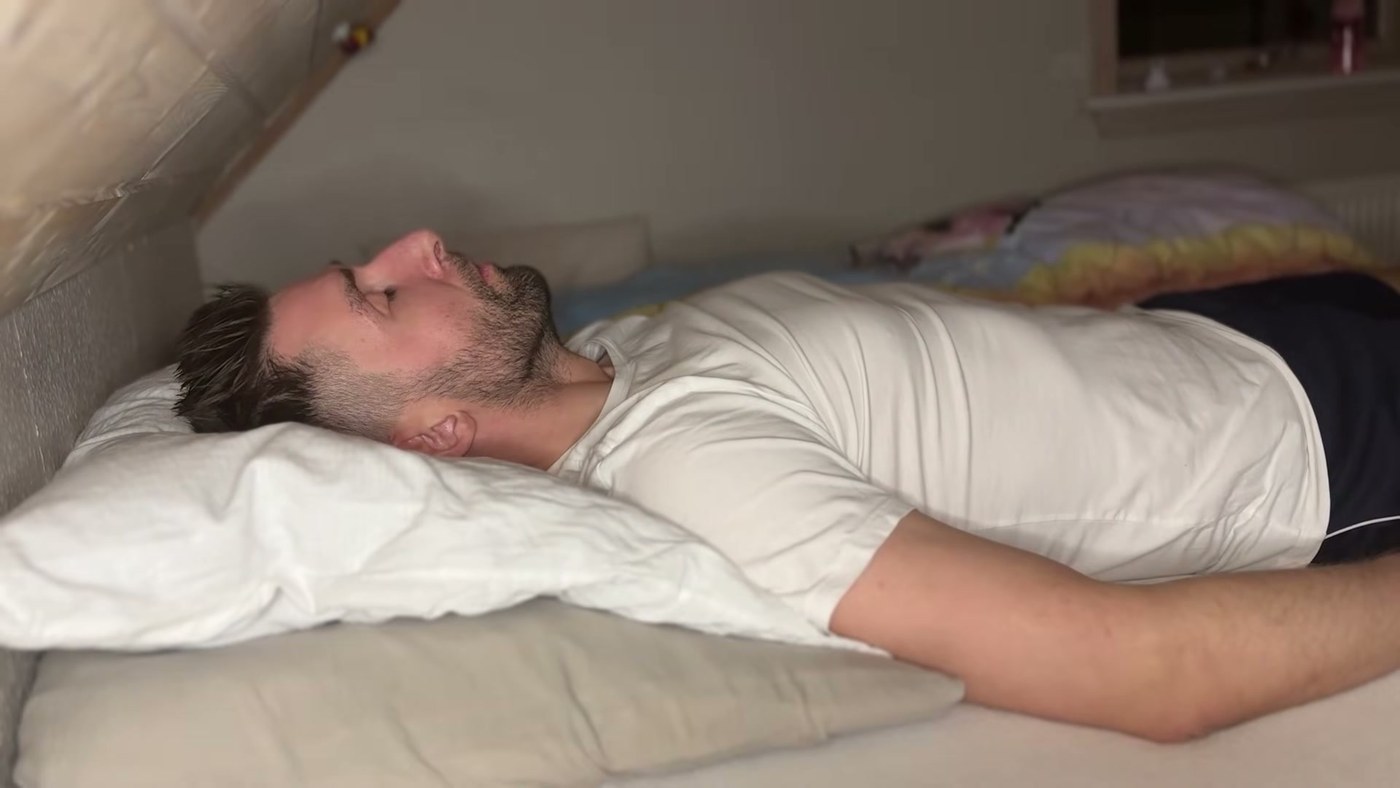
But here is what I did not know back then. The sleep you get in the days before the match matters more than one night.
So if you sleep badly the night before, that is not a disaster, as long as the nights before it were good.
Sleep affects how quickly you react and how long your legs last. So skip the late gaming sessions and the parties in the days before a match. If you want to know how much sleep you actually need, I cover it in my goalkeeper recovery guide.
What should a goalkeeper eat before a match?
I learned this one the hard way.
I remember a game where I felt great in the first half. Big saves, reading the game well, everything on point. Then the second half came and I hit a wall.
My legs felt heavy, my reactions slowed down, and the sharpness was gone. The problem was simple. I had not fuelled my body properly.
Think of a car. You can have a powerful engine, but if the tank is empty you are not going anywhere.
The day before, have meals with plenty of energy in them. Grilled chicken and rice, or pasta. You want energy that lasts without weighing you down.
On match day, keep it light. For me that is oatmeal with fruit, or a chicken sandwich, a few hours before kick-off. It gives me energy without feeling heavy.
In the bag, I keep a couple of energy bars and some bananas. They are quick and easy to digest, before the game or at half-time, for when things do not go to plan.
And match day is not the day to try a new food. Eat what you know sits well.
None of this needs anything special from a shop. Normal family meals at the right time do the job. If your goalkeeper has an allergy or a medical condition, their doctor is the right person to ask about food around games.
When should you drink water on match day?
Start sipping early in the day. Do not wait until you are on the pitch and then try to catch up with one big drink.

Staying topped up through the day keeps your energy up and your head clear. Keep a bottle in the net or by the post, and use it.
What goes in a goalkeeper's kit bag?
Pack it the night before, not ten minutes before you leave.
- Your match gloves, washed and dried after your last session
- A spare pair of gloves
- Boots, shin pads, socks and your kit
- A water bottle
- A banana or an energy bar for half-time
- A warm layer for before the game and the bench
- A small towel for your gloves
The spare gloves are not a luxury. If it rains, you swap to a fresh pair at half-time, the way I explain in keeping your gloves sticky in different weather.
Someone wrote under my match day video about a game where the two goalkeepers swapped at half-time, and the other keeper had no shin pads. Pack the night before and that is never you.
What time should you get to the ground?
Your coach usually gives you a meeting time. Aim to be there before it, not on it.
Then work back from kick-off. You need time to change, get your gloves ready, listen to the team talk and do a full warm up.
My own warm up takes about 30 to 35 minutes, and I have written the whole thing out, in order, in the goalkeeper warm up that actually prepares you. I will not repeat it here.
When you arrive late, the warm up is what gets cut. And the part that goes first is usually the diving and the shots, which is the part you need most.
If you have a few minutes spare, walk your goalmouth. Look at the surface, feel which way the wind is blowing and check where the sun will be.
What should you do at half-time?
Half-time is short, so keep it simple.
- Drink some water
- Eat a banana or half an energy bar if you feel flat
- Put a warm layer on if it is cold, so you do not go stiff
- Swap to your spare gloves if the first pair is wet or dirty
- Listen to your coach
- Take a few catches before the second half starts

Remember my wall in the second half? Those few minutes at half-time are where you stop it happening to you.
Why does a routine help?
Over the years I built a match day routine that I follow every time, whether it is a friendly, a league game or a cup final.
When everything around me feels chaotic, the routine keeps me grounded. I am not standing there wondering if I did enough to get ready. I stick to the plan I know and trust.

It does not have to be perfect from day one. Start small. Same meal before every game. Same warm up. Then build from there.
I first made this video back in 2024, and if you want the original, 5 match day prep secrets covers the same ground.
What to do before your next match
Your match day routine gets you to kick-off ready. What you do in training decides how good you are when you get there, and that is what a proper goalkeeper training plan is for.
Pick one for this week.
- Bed on time. For the few nights before the game, not just the last one.
- Write down your meal. What you ate before your last game, and whether it worked. Same again next time if it did.
- Pack the night before. Spare gloves included.
- A banana in the bag. For half-time, or for the day things do not go to plan.
The warm up is for sharpening. Everything else should already be done.
Ready on Saturday. What about Tuesday?
A routine gets you to kick-off feeling ready. But how good you are when the whistle goes is decided on the other days of the week, and most young goalkeepers spend those days guessing what to train.
The Ultimate Self-Training Course fills those days for you: a weekly plan that is already written, over 120 drills you can do on your own, and the reason behind every one of them. $27 a month.
See the weekly plan 30-day money-back guarantee if it is not helping.
I have played more than 500 competitive games, represented my national team, and played in Champions League and Europa League qualifiers. I have coached over 1,000 goalkeepers, and the routine in this post is the one I follow before every game I play.
Enjoyed this article?
Find more great content here: